Lawyers’ billing of their clients is a major issue that touches on the key elements of a lasting client relationship: transparency over exchanges and work performed, compliance with professional conduct rules and, consequently, client satisfaction.
Billing also plays a part in improving the profitability of a lawyer’s practice. Is an approximate record of tasks and time spent in an Excel spreadsheet still sufficient in 2025? No—and here we explain why.
When it comes to billing, transparency is the lawyer’s ally. It both supports compliance with professional conduct rules and helps ensure that a matter is genuinely profitable for the lawyer.
Well-managed, clear and anticipated billing also makes it easier for the client to accept the fees, an important stage in maintaining the relationship. Clients want to understand, and rightly so; give them the information they need.
Lawyer billing best practices
The foundation is to make billing information as easy as possible for the client to understand. The fee agreement must be clear and tailored to the specific characteristics of the matter, whether a fixed fee, disbursements or time spent. It should be submitted to the client as early as possible. You will show the client that you know where the matter is heading—and that means they will too.
The difficulty at this stage is making accurate forecasts while explaining that they may need to change. For example, a client who later asks you to travel to meet their director needs to know that this will create additional billable time.
On this basis, you must then be able to demonstrate the value of the work performed: all those tasks and research that the client does not see but that nevertheless take time. This requires recording and measuring the work and sharing the information with the client.
Sharing means communicating as the matter progresses, billing in stages, knowing when to send reminders and, above all, providing explanations that take the initial position into account. An informed client is already far less likely to misunderstand.

Optimise profitability by simplifying management
Three “tools” can support lawyers:
- Digitalisation: this may seem obvious in 2025, but firms are still far from centralising all their information and using it to best effect, and details are often lost. Specialist software should therefore be used to capture every task, disbursement and time entry, reconcile the data and then automate billing with ease.
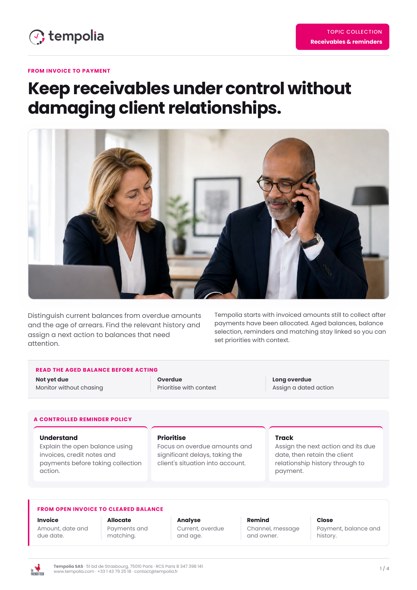
- Automating administrative tasks: the time spent centralising data is then recovered through the easy delivery of clear invoices, payment tracking and automated reminders, reducing time-consuming tasks. These are the tasks that are too often set aside, causing the law firm’s cash flow to suffer when invoices and reminders are not sent promptly.
- Profitability analysis: once information has been centralised, profitability analysis becomes readily accessible. This means identifying the most profitable types of matter—and, conversely, those that were poorly estimated—using dashboards by client, matter or task type.
A little time spent centralising data saves a great deal of time on high-quality billing. Bringing information together also improves the traceability of your work by assigning digital receipts to each matter and monitoring disbursements. All essential information is brought together.
And with electronic invoicing coming soon, adopting a professional solution will make this transition painless.
What not to do: three mistakes to avoid
The initial mistake is failing to formalise exchanges clearly enough at the outset, creating a legal risk if no fee agreement is in place.
The management mistake: billing late—at which point the amount may have become too high for the client—or billing inconsistently. In either case, the impact on the client relationship and cash flow is always significant. Together, these “minor oversights”, often caused by a lack of time and organisation, can create major problems.
The mistake of estimating disbursements poorly while a matter is under way: this all-too-common error can harm the firm’s professional image. Your client will not appreciate disbursements appearing much later in proceedings after having been somewhat overlooked.
Tempolia: a comprehensive solution for better billing
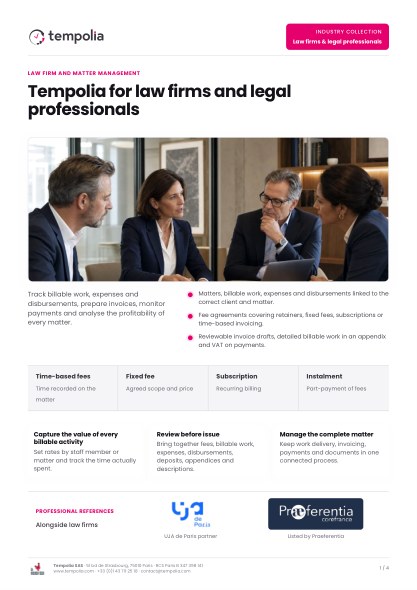
Tempolia is software designed specifically for law firms, combining time management and billing because, as we have seen, the two are linked.
Its key features include:
- Billing automation: generate accurate, compliant invoices in just a few clicks.
- Analysis tools: time tracking, breakdown of tasks by staff member and reports.
- Electronic invoicing compliance, with your Factur-X invoices sent securely to clients by email.
Some tangible benefits for lawyers:
- Shorter payment times through clear billing and automatic reminders.
- Greater transparency for clients, with clear, detailed documents that are better understood and therefore more readily accepted.
- Greater productivity through robust fee management, optimising matter profitability without compromising the client relationship.
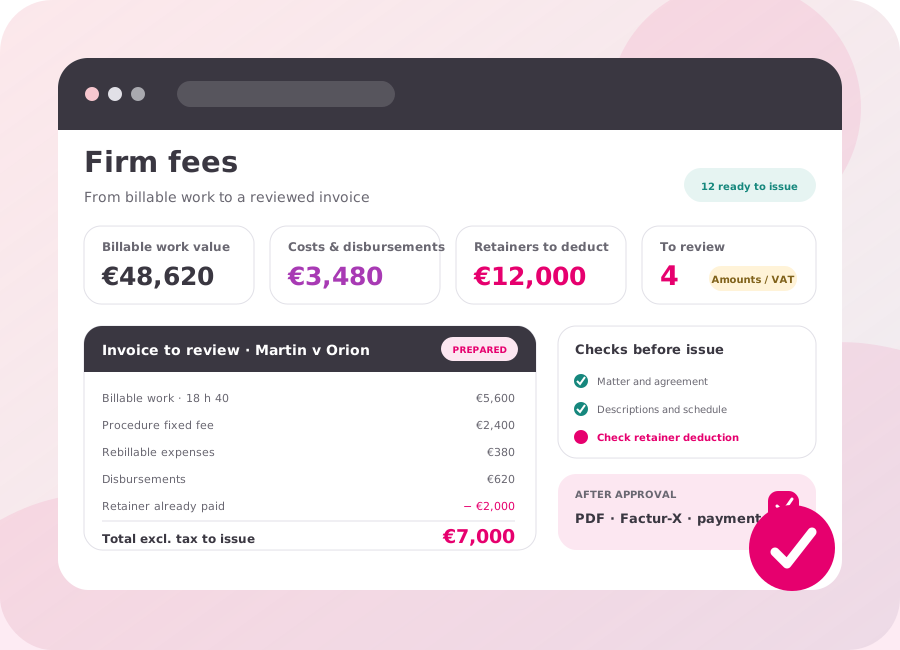
Clear invoices, better-informed clients
This requires a traceability tool to track time and break down costs by task or staff member. The same tool strengthens the client relationship through better understanding of fees, a sense of transparency and, consequently, trust.
What if you discovered Tempolia?
See also: measuring fixed-fee matter profitability and preparing the firm for electronic invoicing.